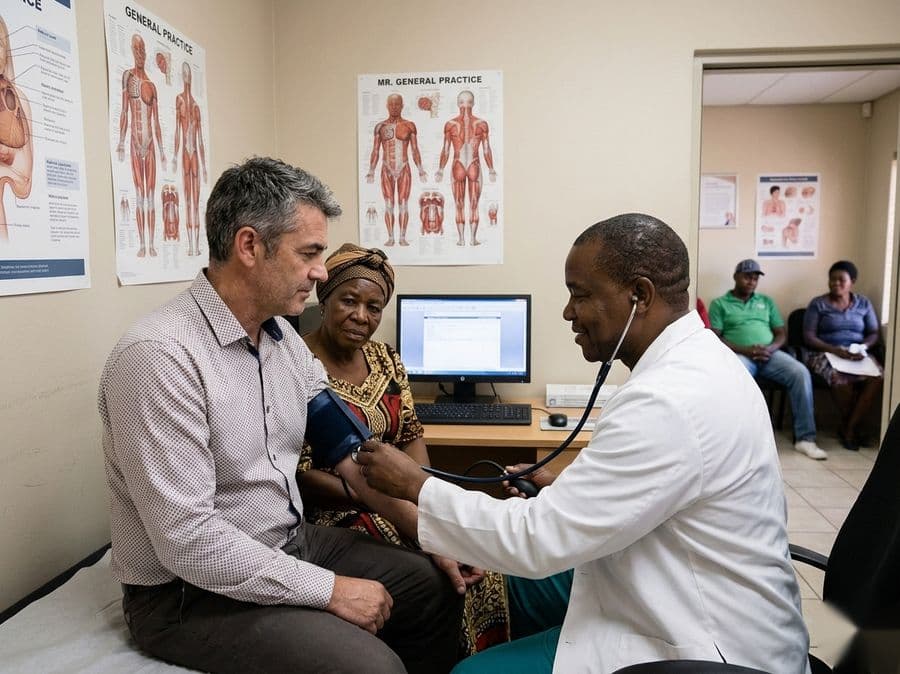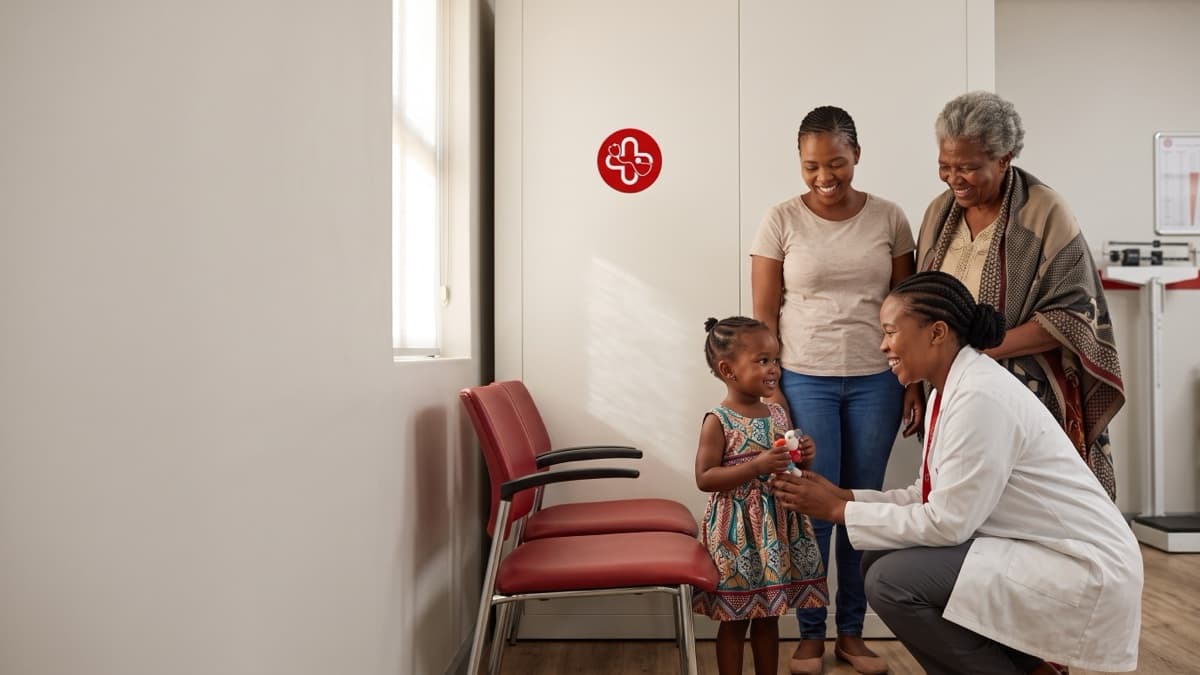
Continuity of care is one of the few things in medicine that reliably improves outcomes and costs nothing extra. Here is what a family practice handles, and when to go elsewhere.
Most people meet the health system at its most fragmented: a queue when something hurts, a different face each time, and a story retold from the beginning at every visit. Family medicine is built on the opposite idea — that one practice knowing your history over years is itself a form of treatment.
Continuity is not a nicety
The evidence for seeing the same doctor over time is unusually consistent. Patients with continuity of care are diagnosed earlier, admitted to hospital less often, and manage long-term conditions better. The mechanism is not mysterious: a doctor who saw you eighteen months ago notices that your blood pressure has crept up, that you have lost weight you were not trying to lose, or that this is the third chest infection this winter. A stranger sees one reading and one infection.
What a family practice actually handles
More than most people expect. A well-equipped family practice manages the large majority of what walks through the door, and refers the rest with a proper history attached.
- Acute illness — infections, injuries, pain, the things that make you book an appointment this week.
- Chronic conditions — high blood pressure, diabetes, cholesterol, asthma, HIV. These are managed, not cured, and management is exactly what continuity is good at.
- Children's health — from immunisations and growth monitoring through to the ordinary fevers and rashes of childhood.
- Women's health — contraception and family planning, cervical screening, antenatal care.
- Men's health — the screening and check-ups men are statistically worst at seeking out.
- Preventive care — the blood pressure check, the sugar test, the conversation about weight or smoking that happens before there is a problem to treat.
- Referral and coordination — knowing which specialist, how urgently, and sending them something more useful than a one-line note.
Where to go, and when
Choosing the right door saves time and sometimes much more than time.
- Your family doctor: anything new, ongoing, or worrying that is not an emergency. Also the right first stop when you are not sure what kind of problem you have.
- A specialist: usually best reached through a referral, so they receive your history rather than reconstructing it. Referral also means someone has judged which specialty you actually need.
- Emergency services: chest pain, difficulty breathing, weakness or drooping on one side of the body, difficulty speaking, severe bleeding, a seizure, or a sudden severe headache unlike any before. These do not wait for an appointment.
Getting more out of an appointment
A consultation is short. A little preparation changes how much fits into it.
- Bring your current medicines — the actual boxes, not a remembered list. This includes anything from a pharmacy shelf, and any traditional or herbal remedies, which interact with prescription medicines more often than people expect.
- Lead with what worries you most. Doctors work through problems in the order they are raised, and the thing mentioned as you reach for the door handle often needed the most time.
- Say what you are actually afraid of. "I am worried this is cancer" changes a consultation productively, even when the answer is no.
- Ask what should happen next, and what should prompt you to come back sooner.
How we work
Ekhaya Medical Centre is a family practice in Embalenhle with general practitioners, a family medicine specialist, a paediatrician and visiting specialists in one building, alongside on-site X-ray and ultrasound. In practice that means a child, a parent and a grandparent can be looked after in the same place, and results usually come back in the same visit rather than after a referral across town.
You are welcome to walk in during operating hours, or book ahead — particularly if you would like to see a specific doctor, which is the whole point of continuity.