Cervical screening, contraception, antenatal care and the symptoms that should never be left. A plain guide to what to ask for and when to ask for it.
A great deal of women's health care is preventive: checks that find something early, while it is still simple to deal with. They are easy to postpone precisely because nothing is wrong at the time, and that is what this article is about — what is worth having, roughly when, and what should never wait.
General information only. What is right for you depends on your age, your history and your circumstances, and that is a conversation with a doctor or nurse rather than an article.
Cervical screening
Cervical cancer is one of the most common cancers among South African women, and it is one of the most preventable. It develops slowly from changes that cause no symptoms and that screening can detect and treat long before they ever become cancer.
- A Pap smear takes a small sample of cells from the cervix. It is quick, and while it is not most people's favourite few minutes, it should not be painful.
- Screening intervals depend on your age, your previous results and whether you are living with HIV — women living with HIV are screened more often, because changes progress faster.
- An abnormal result is common and usually does not mean cancer. It most often means cells that need watching or a small treatment, which is exactly the point of finding them.
- The HPV vaccine protects against the virus that causes most cervical cancer. It works best before exposure, which is why it is offered to girls in early adolescence — and it does not replace screening later.
Contraception and family planning
There is no single best method, only the one that fits your life, your health and your plans. It is worth knowing that the options differ enormously in how much they ask of you.
- Long-acting methods — an implant or an intra-uterine device — work for years once fitted and do not depend on remembering anything. They are reversible, and fertility returns after removal.
- The injection and the pill are effective but depend on being on time; the pill in particular is far less forgiving of a missed day than most people realise.
- Condoms are the only method that also protects against sexually transmitted infections, which is why they are often used alongside another method rather than instead of one.
- Emergency contraception exists and works better the sooner it is taken. It is not intended as a regular method, but if it is needed, it is needed promptly.
Some methods are not suitable with certain conditions — migraine with aura, high blood pressure, a history of clots — which is why this is a consultation rather than a shelf purchase.
If you are pregnant, or think you might be
Start antenatal care early. The first visits establish your dates, check your blood pressure and blood tests, confirm your HIV status and start treatment where needed, and pick up problems while they are still manageable. Booking late is one of the clearest risks to both mother and baby, and it is one of the easiest to avoid.
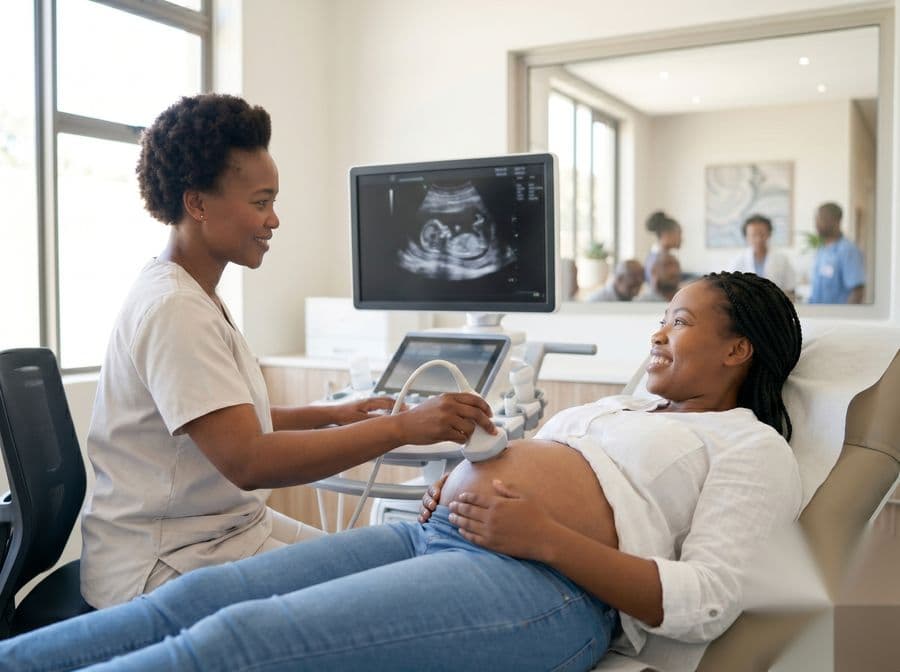
Folic acid matters before and in early pregnancy, ideally started before conception where a pregnancy is planned. An early ultrasound confirms dates far more accurately than the calendar can.
Through the decades
A rough guide to what tends to matter when, alongside the blood pressure and sugar checks everyone should have.
- Teens and twenties: HPV vaccination if not already given, contraception that suits you, STI testing when relevant, and starting cervical screening at the age recommended locally.
- Thirties and forties: continued cervical screening, preconception advice if you are planning a pregnancy, and increasing attention to blood pressure, weight and cholesterol.
- Fifties and beyond: breast awareness and screening as advised, discussion of menopause symptoms — which are treatable and too often simply endured — and bone health.
Breast awareness
Knowing what is normal for you matters more than any particular technique. Most breast lumps are not cancer, and breasts change with the menstrual cycle. What warrants being seen is a change that is new and persists: a lump, a dimple or puckering of the skin, a nipple that has turned inward, or discharge that appears without being squeezed for. Being checked and told it is nothing is a good outcome, not a wasted visit.
How we help
Ekhaya Medical Centre provides women's health and obstetric care in Embalenhle — Pap smears, contraception and family planning, antenatal care and on-site ultrasound, with a family medicine specialist and a doctor holding a Diploma in Obstetrics in the practice. Appointments can be requested with a specific doctor if you would prefer to see a woman, and you are welcome to say so when you book.